
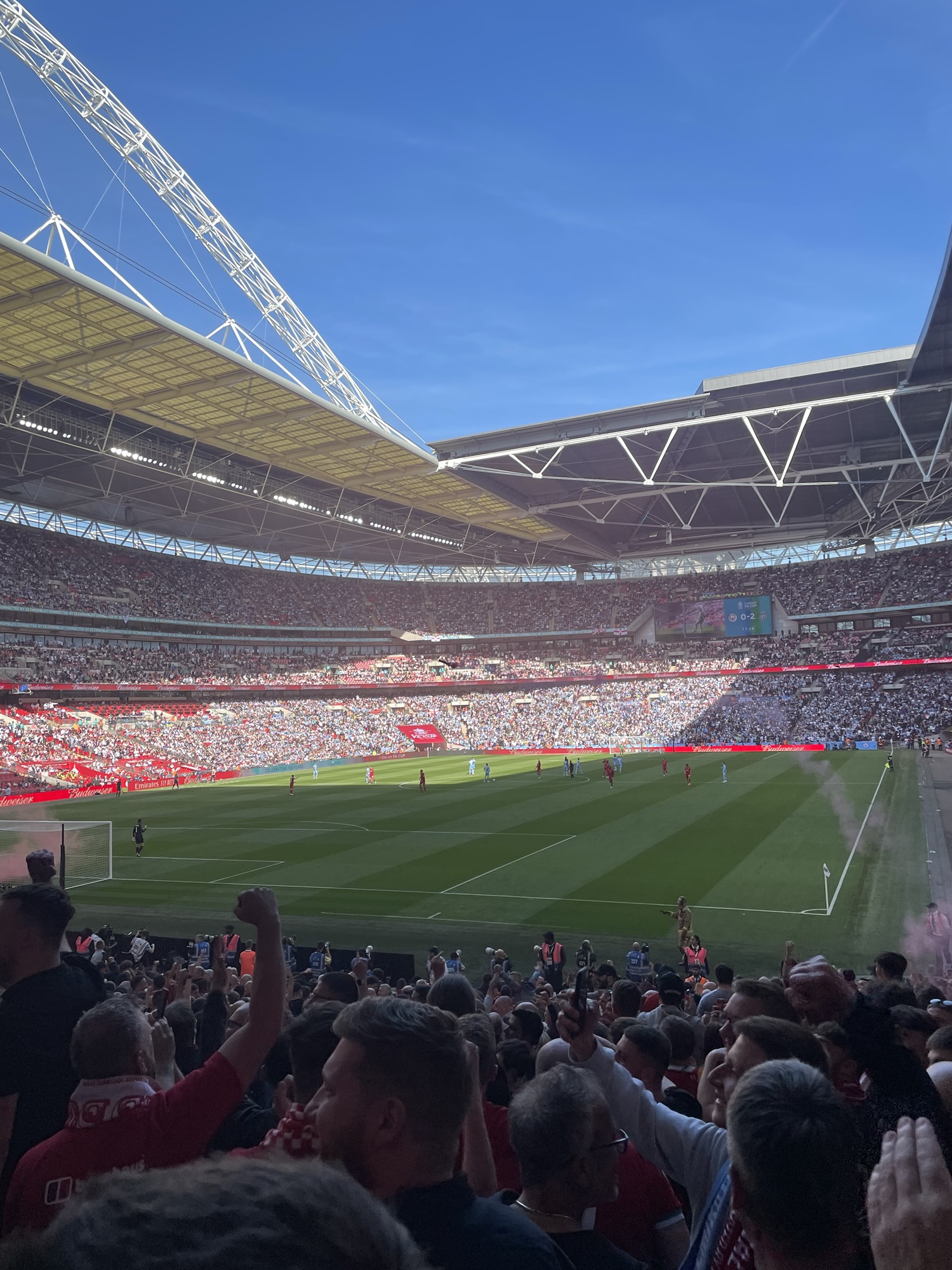
Why football is a Must-Visit for Every Football Fan
Weclome to England!
England is widely considered to be the birthplace of the world’s most popular sport. The first ever set of official rules, governing body (FA) and league format were established in 1863. England is also home to the oldest football club in history, Notts County.
Football in England reminds me of a famous quote from legendary Liverpool FC Manager Bill Shankly. “Some people think football is a matter of life and death, I assure you, it’s much more serious than that”. Football is deeply ingrained in every community and part of the core culture that makes England special for football. From local grassroots football, all the way to the heights of the Premier League, football is for everyone.
What started as a working class sport, football has now transformed into the most illustrious, capitalist industry in the world. Fans travel from every corner of the globe to try and get a glimpse of the modern day Premier League, which is regarded as the best and most popular league on the planet.
This guide is for anyone looking to visit the birthplace of the beautiful game, host to some of the world’s biggest football clubs. This article will provide you with a step-by-step guide to watching football in England. You’ll learn how matchdays work, what to expect as a visiting fan, how to get tickets and how football fits into the everyday life of English people, contributing to this country’s immense and proud football culture.
Everything in this guide is based on real travel and my own authentic matchday experiences at football clubs across the country. From the lofty heights of the Premier League to the hardcore football fans in the lower leagues.
Football Culture Overview
Football is the epicentre and a key pillar of British society. Most conversations with strangers start with “What team do you support then?”. Football is fundamental to several aspects of life, including community identity and is a significant economic contributor. It stimulates social cohesion and brings people together regardless of their background. Football creates a deeply ingrained sense of local pride and serves as a shared cultural venture passed down through generations.
The sport also has a huge economic impact on the country due to the Premier League’s global reach, attracting millions of yearly visitors. This demand contributes to supporting thousands of jobs across the country, with football again at the core of local communities. Over the years, the sport has become a more modern, globalised spectacle, making tickets more expensive and starting to price out the working-class community. Ticket touts and resellers pollute the ticket market with inflated prices.
Big Clubs v Smaller Clubs
In England, the football pyramid is an essential system that connects the game from grassroots all the way to the professional game. This stems from non-league clubs such as Chester FC, all the way to Liverpool and Manchester United. The difference between attending a match at a major club and a smaller club is less about the standard of the game and more about the contrast in experience.
At big Premier League clubs, there is a phenomenal demand for tickets, with most clubs having a competitive membership scheme where you earn points for each game attended. This makes it harder for visitors, but not impossible. There is the more pricey option of hospitality, which provides an elite but high-priced experience. Alternatively, you can sign up for the membership schemes and enter ballots, which is another avenue you can utilise. On the other hand, local clubs provide a more tight-knit community feeling due to the core fan base being members of the local area. Tickets are easy to get and can be purchased at the turnstiles for a much more affordable price, which allows for more flexible last-minute travel.
The matchday atmospheres provide two completely different experiences. The bigger clubs play in gargantuan state-of-the-art stadiums which can host up to 75,000 (Old Trafford, England’s largest club stadium) raucous spectators. This can create a pulsating and electric atmosphere with stunning visuals of a packed-out stadium supporting their team in unison. The atmospheres are game dependent on the opponent; local derbies and teams with historic rivalries will generate a far superior atmosphere. The bigger clubs also attract high numbers of casual fans and tourists, meaning atmospheres can be subdued.
Smaller clubs have a more concentrated and hardcore support, it is also a more intense and personal atmosphere as you are right next to the pitch and can tangibly impact the noise levels, as supposed to sitting in the highest row at a vast stadium. The atmosphere at the non-league level provides a more intimate matchday experience. Non-league football has an intense feeling due to it being less of a “spectacle” and more dedicated support from everyone there. Atmosphere and crowd size are not codependent on one another, meaning full stadiums do not guarantee better atmospheres.
The stark contrast in fan culture and identity across the English football pyramid is vast. Major clubs have worldwide fan bases and attract lots of one-off visitors and neutrals, whereas smaller clubs have a deeply local support spread across generations. Smaller clubs are deeply tied to local pride and the togetherness of local communities. The identity of major clubs does derive from local pride, but due to the global reach, the identity is shaped by history, trophies and media coverage. The rivalries at the lower level can feel more personal as they can be deeper than the football itself and can tie into community rivalries.
The matchday experience for supporters across the leagues is very contrasting. At the upper echelons of football in England, there is a much higher level of policing, clear segregation between the two sets of supporters, and much stricter stadium rules. In the lower leagues, there is a more spontaneous, relaxed vibe. The supporters mix more in the local pubs, and matchday feels like more of an event within the community.
The price and value for money are on very different ends of the spectrum, higher level clubs charge more for food, drinks and merchandise, whereas the lower league clubs are more affordable for travellers.
Across the country, football atmospheres vary significantly by region, with no two clubs being the same. In the larger cities and capital regions, football ties into local tradition and hosts a more transient crowd. Due to the crowds’ consistent, ever-changing nature, atmospheres vary. Big derby matches can provide an electric atmosphere, whereas fixtures against lower-level opposition can contribute to a quiet and expectant atmosphere.
Comparatively, clubs in smaller cities or industrial regions manufacture a consistent atmosphere due to the higher number of consistent match-going supporters, which creates a harmonious matchday culture. Pre-match rituals, unique club anthems and stadium size differ across the country, which gives every club its own unique identity.


How to Get Tickets
- Membership Requirements
- Buying from Club Websites
- Common Mistakes
- General Advice
Getting tickets in England varies depending on demand, the size of the club and the fan base size. This section will focus on football tickets in the top-tier, as the availability for the lower leagues is very attainable.
Buying a membership for the club of your choice will enhance your potential to buy tickets, but not guarantee it; some clubs have a tremendous demand for tickets. This means you need a prior history of watching games to have earned points to push you up the priority queue. Entering ballots is another route to tickets, but chances are slim.
Purchasing tickets off the official club website is the safest method to buy tickets and ensures that your ticket is valid.
A common mistake people make is getting tickets from ticket touts, who are third-party sellers who commonly hike the price of a ticket astronomically. This is against club policy and leaves you with a possibility of being denied entry on arrival. Avoid purchasing tickets this way, you risk losing out on money, time and damaging your trip.
The following list of Premier League clubs are deemed to have the easiest route to purchasing tickets.
Link to the article is Here:
- West Ham United
- Manchester City
- Sunderland AFC
- Brighton & Hove Albion
- Fulham
- Wolverhampton Wanderers FC
- Tottenham Hotspur
- Aston Villa
To ensure the best possible chance at acquiring tickets, make sure you check the club website frequently, making sure you stay up to date with ticket release dates.
Best Stadiums and Cities to Visit
England has a vast array of iconic football stadiums and cities to visit. This section refines my top picks to ensure you visit the city and stadiums that best match your interests.
The North-West of England is the cultural powerhouse of the English game. From the Busby Babes to Shankly’s Reds, the foundations of the North West’s football history were built on the back of football legends. The North West is the most successful football region in the country, having the largest collection of major trophies. The North West provided the catapult, which skyrocketed English football to the European stage. This region of the country is anchored by mega clubs like Manchester United, Liverpool FC and Manchester City. All of these clubs have dominated for long periods in the history of English football.
The standout stadiums to visit in the North West are Anfield (Liverpool FC), Old Trafford (Manchester United) and the Etihad Stadium (Manchester City). All are famous for different reasons. Anfield is world famous for it’s incredible atmosphere and passionate supporters.
Anfield under the lights on a European night is an occasion etched into football fans’ brains all over the world. The famous Kop End acts as a 12th man on the pitch for Liverpool. The collective noise of the Kop can physically impact the game. Visiting Anfield also paves the way to experience the spine-tingling anthem “You’ll Never Walk Alone”, which is sung in unison before kick-off at every home game, binding the fans and players as one in what is a world-famous show of unilateral solidarity.
Old Trafford, located on the outskirts of Manchester city centre, is a beacon in the football world. It is the biggest stadium in the country and the country’s most popular club. Steeped in illustrious history, the “Red Devils” have dominated the domestic league, winning 13 Premier League Titles. Old Trafford is a stage where the best footballers have performed; numerous Ballon d’Or winners such as Dennis Law, Sir Bobby Charlton, George Best and Cristiano Ronaldo have graced the pitch here.
Located in the heart of the city, Manchester City’s recent rise to the summit of world football took off in 2008, and they haven’t looked back. Manchester City have won 20 Major Trophies since. They have broken records such as winning the league title with 100 points, four Premier League titles in a row and their first Champions League. The Etihad Stadium is famous for its astonishing football teams, predominantly led by legendary Manager Pep Guardiola. The club have been criticised for its below par atmosphere and from personal experience, I have to agree.
London is the busiest and most densely populated football city in the country, 17 professional football clubs play in the capital alongside the England national team. This makes London a football travellers paradise. The standout stadium in London for me is the Emirates Stadium which is home to London’s most succesful club, Arsenal.
The Emirates Stadium at the heart of North London holds over 60,000 people and is a modern masterpiece of architecture. Guarded by statues of the club’s most iconic legends, such as Thierry Henry, Tony Adams and Dennis Bergkamp. This stadium demonstrates perfect harmony between the club’s successful history and progressive modern-day approach. The roar from the Clock End sets the tone every week as Arsenal push to add more silverware to their already stacked cabinet.
To view all England content, click below.


Additional list of Stadiums I would advise you to visit:
- St James Park (Newcastle United)
- Stamford Bridge (Chelsea FC)
- The Den (Millwall FC)
- Villa Park (Aston Villa)
- Wembley Stadium (England National team)
| Best Cities to Visit | Stadiums To Visit | Atmosphere | Ticket Availability | Prices | Overall |
| 1. Liverpool | (Anfield, Hill Dickinson Stadium) | 10 | 7 | 7 | 9 |
| 2. Manchester | (Old Trafford, Etihad Stadium) | 7 | 8 | 8 | 8 |
| 3. London | (Emirates Stadium, Stamford Bridge, Wembley) | 7 | 7 | 3 | 6 |
| 4. Newcastle | (St James Park) | 10 | 7 | 7 | 8 |
| 5. Birmingham | (Villa Park, St Andrews) | 9 | 8 | 5 | 7.5 |
Click Below for City Guides


The Matchday Experience
A matchday in England can be enjoyed in several different ways. As a travelling football fan, you always want to make the most of your experience. To soak up the culture as much as possible, I recommend going into the local fan pubs (Age permitting) and having one of the local beers and connecting with a core section of the fan base. Embracing matchday rituals and really immersing yourself in the different matchday cultures. I personally always buy a matchday programme, which is great for memorabilia and a good souvenir to look back on.
Get into the stadium at least 30-45 minutes before kick-off, enjoy the atmosphere on the concourse before watching the teams warm-up and brace yourself for the game to unfold. This also allows you to have any last-minute snacks or drinks you may need.
Midweek fixtures ordinarily kick off at around 7:45 pm or 8 pm. Below i will give a visual list of the most common Kick-off times from Friday to Sunday.
- Friday: 8PM
- Saturday: 12:30PM, 3PM, 5:30PM & 8PM
- Sunday: 12:30 PM, 2 PM & 4:30 PM
Safety Tips
To ensure safety, I would highly recommend wearing neutral or home team colours and avoiding wearing the oppostion teams colours. Make sure to always carry cash, as it is always safer to just get in a taxi, and also in case of an emergency.
Planning Your Trip
Transport
Trains are the easiest way to navigate the country. It’s the most relaxed and efficient mode of transport. Buses are a cheaper but longer alternative. Internal flights are not necessary within the country. Public transport is well developed and easy to use.
Below are links to various websites that I recommend using for travel to and internally in England.
- https://www.thetrainline.com
- https://www.skyscanner.net
- https://www.nationalrail.co.uk
- For Buses use: https://www.nationalexpress.com/en
Accommodation
Firstly, I would highly recommend booking in advance as English hotels will increase the prices as time goes on. Hotels will spike the price even more when it’s the eve or day of the match, so keep this in mind. Staying slightly out of the city centre and travelling in via public transport is a cost-effective method.
Alternativley booking with Airbnb can be cheaper than hotels.
If you have made the wise decision to watch football in England, you are in for a treat. In this section, I will give you travel tips and attach various reliable links in order to help facilitate your stay.
Frequently asked questions about watching football In England
- Best time to visit?
The best time to visit England for football depends on personal preference. If you want better weather, I recommend visiting between August and October and between March and May. Both periods of the year provide comfortable temperatures, helping to avoid any potential obstacles that travelling during the winter months can deliver.
- Can tourists buy tickets?
Yes, tourists can purchase tickets. For certain clubs, you may need to sign up for a membership or ticketing account.
- Is It safe?
Yes, football in England is safe; safety levels can vary from city to city and derby matches have the potential for problems. Refrain from wearing clothes that could associate you with the away team.
- How many matches can I attend across a weekend?
In England, a usual weekend will consist of football being played on Friday, Saturday and Sunday, giving you the chance to watch a minimum of two games across a weekend.
- Cheapest way to travel?
The cheapest way to travel within England is via bus. Train and taxi prices can be very expensive. If you can book your travel in advance, I would highly recommend it, as this can reduce prices considerably.
Where to go next?
Essential Travel Resources
If you need any additional help with essential travel resources, then click on the button below for accommodation, ticket help, transport, travel insurance, language tools and more.

Leave a Reply